Is Everyone Vitamin D Deficient?
Struggling with low energy or winter blues? Discover how Vitamin D supports immunity, mood, and bone health, plus easy ways to get enough.
WELLNESS


Disclosure: This post contains affiliate links, which means I may earn a small commission at no extra cost to you. I only share products I personally use and love.
You know how some people seem to thrive no matter what, while others feel like they’re dragging through every day? A lot of that might come down to one deceptively simple nutrient: Vitamin D.
Despite how important it is, studies show that a huge chunk of the population is deficient in Vitamin D. Depending on who you ask, it could be up to 40–50% of adults. And I’m willing to bet that at least a few of those people are reading this right now.
But before you panic, let me walk you through what’s going on, why deficiency is so common, and some practical ways to get your levels back where they need to be (without making your life complicated).
Why Vitamin D Deficiency Is So Common
Vitamin D is a prohormone. Your body produces it when your skin is exposed to sunlight. But there are a lot of reasons people aren’t getting enough:
Limited sun exposure: Many of us work indoors, live in northern climates, or wear sunscreen daily (all good for skin health but reduce Vitamin D production).
Age: As we get older, our skin becomes less efficient at converting sunlight to Vitamin D.
Skin pigmentation: Melanin in darker skin reduces Vitamin D synthesis from sunlight.
Obesity: Vitamin D is fat-soluble, so excess body fat can trap it and make it less available for your body.
Dietary gaps: Very few foods naturally contain Vitamin D, and fortified foods may not be enough for some people.
So even if you’re “healthy,” it’s actually very possible to be low in Vitamin D without realizing it.
Why Vitamin D Matters
Vitamin D is involved in so many systems in your body:
Bone health: Helps your body absorb calcium and phosphorus.
Immune support: Critical for your immune system to respond efficiently.
Mood & brain function: Low levels are linked to seasonal affective disorder and general fatigue.
Muscle function: Helps maintain strength and reduce falls in older adults.
Inflammation: Supports immune balance and may help regulate chronic inflammation.
Basically, it’s a small nutrient with a big impact, and missing it can subtly affect almost every part of your body.
How to Get More Vitamin D (Without Supplements)
Yes, supplements are often the easiest way, but if you want to give your body a natural boost too, here’s how:
1. Sunlight
Just 10–30 minutes of midday sun on your arms and legs a few times a week can make a difference.
Remember, sunscreen blocks Vitamin D synthesis, so even a few minutes of unprotected sun can help.
2. Vitamin D–Rich Foods
Vitamin D isn’t abundant in most diets, but try to include:
Fatty fish like salmon, mackerel, sardines
Egg yolks
Mushrooms exposed to sunlight (shiitake or maitake)
Fortified foods like some dairy and plant milks
Vitamin D Supplements: Why I Love Drops + Vitamin K
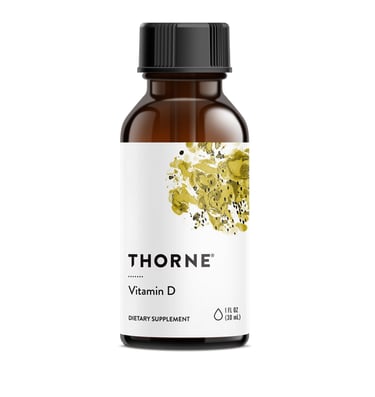
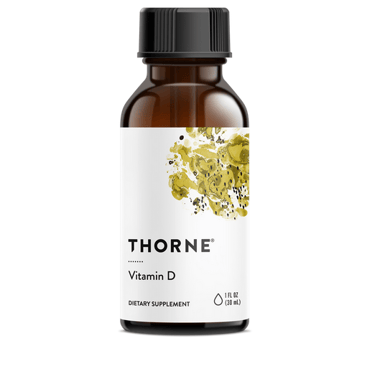
Let’s be honest, hitting optimal Vitamin D levels through sunlight and food alone is tricky. That’s why I take a Thorne Vitamin D drops with Vitamin K.
Here’s why I like them:
High quality, trusted brand: Thorne has excellent bioavailability and third-party testing.
Easy to use: The drops are flavorless, so I add them to my morning coffee, smoothies, or even water with no weird taste or texture.
Vitamin K included: Vitamin K2 helps direct calcium where it belongs (bones and teeth) instead of soft tissues like arteries. Taking D with K is a more effective combo.
Other supplement options if you’re not into drops:
Softgels or capsules: Convenient for travel or routine.
Chewables: Great for people who dislike swallowing pills.
Liquid blends: Some include other synergistic nutrients like magnesium or omega-3s.
How Much Vitamin D Do You Need?
Recommended amounts vary by age, health status, and sun exposure, but general guidance is:
Adults: 600–800 IU/day minimum (often higher for people who are deficient)
Peri-menopause/older adults: 800–2000 IU/day is common
Deficient individuals: Your doctor may recommend a short-term higher dose
The safest way to know your personal needs is to get your blood levels tested. A 25(OH)D blood test tells you exactly where you stand.
Practical Tips for Making Vitamin D a Habit
Morning routine integration: Add a drop to your coffee or tea.
Pair with healthy fats: Vitamin D is fat-soluble, so a little avocado, olive oil, or nut butter improves absorption.
Track your sun exposure: Even short daily walks can contribute.
Seasonal adjustments: Winter months may require more supplementation.
Re-test your levels: Every 6–12 months is ideal to ensure you’re in range.
Bottom Line
Vitamin D deficiency is incredibly common, even in otherwise healthy adults. The combination of modern indoor lifestyles, age, skin type, and limited dietary sources makes it hard to get enough naturally.
The good news? There are several ways to support healthy Vitamin D levels: sunlight, food, and high-quality supplementation like Thorne Vitamin D drops with Vitamin K. Integrating a daily habit—like adding a few drops to your morning coffee—can have a meaningful impact on your energy, mood, immunity, and bone health.
Your body will thank you, and you’ll have one more tool in your self-care arsenal that’s backed by science, easy to use, and truly effective.
As an Amazon Associate, I earn from qualifying purchases.